My writing over recent months has been sporadic at best, and I now start my blogs with some kind of apology about why it has been so long between blogs. No apology today, I have had nothing to say for a bit. I could bang on about how much I weigh this week, which I might, as it is connected to the title of todays blog.
I normally write blogs when something good has happened or when I am going through stuff and need to make sense of it. Well todays blog is a bit of both really. From a work perspective the past year has been a rocky ride, and I have felt very uncertain for a lot of reasons. Some of that uncertainty is generally due to the state of the NHS mixed in with the internal wranglings of a big organisation. This creates a heady mix of volatility, uncertainty, complexity and ambiguity, and instead of this just being what is going on around me, it is directly impacting on my work and life, and it has up skittled me if I am honest, or more accurately had, I think I am getting myself on more stable ground in recent months.
What did I start to do differently to create more stability? I might have mentioned in my previous blog about my weight loss journey, that during the summer I was started to feel quite overwhelmed by everything that was going on. This was affecting my physical and mental health. Then someone who worked in our Organisation, just a few years older than me died suddenly. That stopped me in my tracks, at first I did not take any action, I just got more anxious, and felt more helpless, and guilty for not taking care of myself, I could feel myself circling the drain. Then we went on holiday to Morocco with the boys, it was a lovely holiday spent with the family, but all the way through I felt anxious and had to fight off panic attacks on a daily basis. On the flight back I felt so unwell and was terrified I was having a heart attack, I was having a silent panic attack. When I got back I decided to start to take some action. This could not go on. You will remember that one of my unhelpful coping mechanisms is eating. This was the thing I was going to tackle, overeating has been an issue for me for as long as I can remember. I have made plenty of attempts in the past and always failed. This time I needed it to work. I started to control my calorie intake. Progress was slow, my emotions were still all over the place, I was trying to not eat without addressing the underlying reason for my overeating. It still felt like I was denying myself something good rather than choosing a more desirable alternative. I was struggling I needed to go back to the drawing board. I needed to simplify things and feel in control. For me that was deciding to go on Mounjaro to take positive action on my weight, to allow me to feel physically better. Since then I have been able to take control of my relationship with food. I could not do both at the same time, and when I tried I just felt helpless and a failure, which added to my anxiety and sense of self worth.
I am just about to start my last pen of Mounjaro, so just 4 weeks to go. I started it in September and I have now lost just shy of 3 stone. I am feeling healthy and able to tackle one thing at a time and feel comfortable with that. By taking action I have recognised that I do not need to change my relationship with food. The work I have been doing on myself is changing my relationship with my emotions. I have been writing about this stuff for years, recently I have realised that understanding and accepting your emotions is not just a single action, it is something that happens continuously and requires regular attention. After each life event our emotions can sneak up on us and knock us to the floor, we will then always reach for what comforts us. Food has always been one of those things, and in fact it had become a habit and I will use food to keep me happy to fend off negative emotions. What I am doing now is going back to Dr Susan David’s emotional agility and understanding where my emotions are coming from accepting the the reason for the emotion and sitting with it, identifying what need the emotion is highlighting and tackling that, rather than covering that emotion in sugar and carbs. Like I said this is fine for a while then something will sneak up on me again. So whilst I am doing this work I am changing my eating habits, and enjoying flavours that I would not have paid much attention to in the past so now my comfort food choices are more varied and are not just biscuits, crisps and chocolate.
When you are feeling overwhelmed and out of control, it might be time to do a quick inventory of your life. I like to use the acronym PERMA. If you are a regular reader you will recognise the work of Martin Seligman. From his research he identified these 5 conditions as essential to a fulfilling life. Go through each condition and give yourself a score out of 10, any scores of 5 or below require attention, if you have more than one pick the most important one for you and decide what you can do to improve that score.
Positive Emotion: Do you experience positive emotion on a daily basis? Laughing at something that is funny. Experiencing happiness or joy in something or someone.
Engagement: Do you do something just for the joy of it that engages you, it might be a hobby, exercise, or meeting with friends and family? How often in a week do you feel engaged?
Relationships: Do you have contact with someone? That does not always have to be physical it could be via phone or computer. Someone that gives you positive emotion.
Meaning: Do you have a sense of purpose? It might be your job, your hobby or it might be your role in your family or friendship group.
Accomplishment: Have you achieved something recently, it can be as simple as baking a cake, running 5k or losing 3 stone (:-)?
Decide which one you need to attend to first and do that one thing, when you have done that, reassess and do the next thing, and notice the difference in how you feel.
As ever I am happy to talk you though it just message me through whichever platform you are reading this blog through.
After writing my blog last week I was amazed how many people read and responded to it. I normally get 5 or 6 people reading my blogs. But I suppose it resonated for people.
Why am I writing another blog so soon about my weight loss journey? Not much could have changed in just a week. A couple of pounds I suppose, and t-shirt that showed every ripple of fat a few months ago now fits me, and even hangs quite loose.
The reason I wanted to write this blog was to talk more about how I have approached losing weight this time.
This week, along with some wonderful colleagues from across our Group I have been learning about Restorative Practice and co-creating a training programme to help embed this approach. We have been tracing by the amazing Tom and Anna from Restorative Labs. You might be wondering what this has got to do with losing weight. Well one of the first things we explored was the onion theory. As you know onions have layers (I can tell you are way ahead of me here), and yes we have layers too. This theory starts with the outer layer of the onion, as this is what is most visible, our behaviours if you like, what we do what the world can see. Our behaviours have an impact on us and on the our environment, which you could suggest is the strong smell and stinging eyes you get when you cut into the onion. Underneath the surface layer of our behaviours lays our thoughts and feelings and the world we are in. Our thoughts and feelings are informed by our values and beliefs. Our thoughts and feelings influence how we behave. Underneath the layers of thoughts and feelings, and values and beliefs lay our needs. Whether our needs are met or not influences what we are thinking and feeling, based on our map of our world which is created in part by our values and beliefs, this has a direct influence on how we behave. The premise of restorative practice is that if we always just tackle the behaviour we witness we are unlikely to address the cause of the behaviour and therefore we are unlikely to instigate lasting change, whatever that behaviour might be.
This got me reflecting on my weight loss and help me articulate what I want to achieve. I think I was starting to use this theory of the onion without really naming the processes. For me it makes perfect sense and feels natural. It is very similar to Dr Susan Davids’ Emotional Agility and Paul McGee’s Stop Understand and Move On. It resonates more as chop onions most days and see those layers and live through the impact of cutting a juicy onion. Let me talk you through it. The challenge I have always faced with my weight is my behaviour towards food. I use food as an emotional crutch. Any negative or hard thoughts we create an urge to eat, any boredom would result in reaching for a packet of crisps or a biscuit. I am also a lazy thinker, this means I can easily fall into a routine of choosing the same thing to eat everyday, and if it gave me a dopamine hit it would become my go to. So crisps, pies, chocolate and fizzy drinks were my staple lunch. At a weekend I would drink 4 or 5 cans of lager with 3 or 4 packets of crisps or a big bag of peanuts. If i felt sad I would go to the shop and buy a packet of biscuits (normally hobnobs) and scoff the lot. I would never choose fruit and rarely drank water. This has been a pattern for all of my adult life. On and off I would go on a diet and lose some weight, the problem was I would always fall back into my old habits. I would always just try and solve my problem by changing my behaviour without ever addressing what lays in the layers below. I was not addressing the unmet needs that was causing the unhelpful eating habits.
This time is different, I have decided to start looking at my thoughts and feelings and I am beginning to understand what those unmet needs are. In a nutshell the prevailing need is to feel safe, to feel cared for. Which seems quite simple. The issue is that my belief structure needs some examination and adjusting. Throughout my childhood, my Mother reinforced the belief that personal happiness was the absence of sadness and pain. This clearly was impossible to achieve, however you could momentarily fend off sadness and pain by having something fatty or sweet. As my childhood progressed and my parents relationship fell apart, sadness and emotional pain became more frequent so this behaviour became more and more entrenched.
Therefore the first thing I have to do is to re-write my beliefs on happiness. If you have been reading my blogs for a while you pick up a theme that I have been working on doing this for a number of years. I am not quite there yet. This is a belief I have had for most of my life, and it is reinforced by the culture we live in. Starting this weight loss programme and learning more about restorative approaches has helped massively, I now feel I am on the home stretch. Being truly happy is accepting that it comes with the cost of feeling sad and experiencing emotional pain. Feeling safe is not dependent on not feeling sad.
Today I thought I would write about me and my weight. During the summer I decided to start a diet so I downloaded a calorie counting app and started counting my calories all was going well, I was starting to lose weight, but what I found was the progress was slow and my motivation was waining, the desire to eat chocolate and crisps and drink beer was strong. Most weekends I would be less disciplined and weight would go back on, the same thing happened when I went on holiday. I know that is normal and that is all part of the journey. I knew my reason for losing weight was strong. I wanted to improve my health. I knew I was running the risk of having a heart attack and was probably already pre-diabetic. If anything this was making me struggle with motivation as I could feel the spectre of my negative self talk creeping in and telling me I was a failure. I did not have the self discipline to lose weight. I carried on regardless, I continued to count my calories, and feel disheartened when my weight went back up and then encouraged when my wight started to go down. Progress was slow, and I was still feeling unhealthy and worried.
At the end of August I started to think about using a weight loss drug to help me lose weight faster. I had started to hear from people that I knew using Mounjaro or Ozempic and having good results. Initially I dismissed it, as it did not fit with the image I have of myself. I kept telling myself I needed to do this myself to get a long lasting result. The problem was that this felt almost impossible. I know I need to change my mindset and I also know I need to lose weight before my health is permanently affected. Then I heard about someone else who had just started it and that night I laid awake thinking about my situation. Why can’t I do both? Why can’t I use the drug to reduce my intake of food and at the same time continue to work on my mindset when it comes to my relationship with eating. Since June I have been challenging my relationship with eating certain food (crisps, chocolate, and other high fat foods). I have been giving myself choices about what is helpful for me, is it having a mars bar and obliterating my calorie intake for the day, or choose some thing else that has more nutritionally beneficial or have nothing at all. This seems simple enough, but when you have a habit of reaching for the tasty high fat and sugar food when feeling sad, or under pressure that has been nurtured all your life, then it is not that straightforward. That is why I made the decision to start on Mounjaro to have alongside doing the work to shift my mindset.
That was the end of August and I started Mounjaro on 31st August. I weighed 17st 13lb on that day which was progress as when I started calorie counting I was 18st 7lb. The picture below is of me in August.
I have been on Mounjaro ever since. I have not followed the plan that most people do, and no doubt some people will think I am doing it wrong. I am now on my third syringe and I have kept the dose the same at 2.5mg. All the advice is that you should increase the dose to maintain the same effect. That is not for me, what I want to do is to use the Mounjaro with my mental work to shift my mindset. I have noticed the effects of the drug do not last the full week now, but that is ok for me as my mindset continues to shift and I am making better choices. My view is that I only want to use Mounjaro for the short term to take most of my weight off and then to continue my weight loss journey without it. Today I am 16st 3lb, I think I have started to look different, but make up your own mind with the picture below. I have quite a way to go as I want to settle between 12 and 13 stone. I plan on staying on Mounjaro until December and then go under my own steam.
I now do not see losing 4 stone as impossible, it is really challenging especially changing the way I think about food and eating. That is the key for me to remain at a lower healthier weight, and there is no other way of doing it other than working on myself and how I view myself. I can now exercise more which is helping me lose weight at a good pace.
Back in May I watched the Great Manchester Run and felt distraught that I wasn’t there racing money for MacMillan and honouring the memory of my mum. The main reason was because I was too fat and my knees could not cope with a 10k run. I plan on doing it next May so look out for updates.
I have been contemplating writing a blog for a few weeks now. Normally the idea to write again comes to me just as I am going to sleep. I have some brilliant ideas to write about, then I fall asleep and lose them all.
There are quite a few things I would like to talk about. Being middle aged, leadership, connections and disconnection. They probably all fit together I suppose.
Most importantly I suppose is the rhetoric that seems to being driven and fuelled by the media at the moment. The rhetoric of division and disconnection. Every time I turn on the news or read something on the internet there are people talking about all the problems we face in the world and blaming them on each other. It is human nature I suppose to look for someone or something to blame when things go wrong. We all do it, often thoughtlessly and in the moment. When I lose something at home or stub my toe (normally when I am tired) I will quietly curse Lisa under my breath. Accusing her of tidying away the item I wanted to use, to make my life hard, or leaving something out for me to trip over. These accusations clearly never stand up to scrutiny. But in the moment I do not want to own up to the part I played in my own discomfort. In the cold light of day, it often very clear I played a very active role. Admit it, you all do it. We all have an view of ourselves that does not always depict who we exactly are, and when we are confronted with this uncomfortable truth, whether that is being absent minded, not suitable for the jobs you would like to do, or suffering from poor mental health that results in you bing unable to get a job, it can be very hard to accept and can result in us looking around for people to blame. Add to that someone telling you that you might well be right and there is someone to blame for this, whether that is an immigrant or a billionaire it is all to easy to fall into the trap of believing that story rather than the uncomfortable truth, that you may have paid a part in your own downfall, along with other factors.
The problems we face in today’s society are complex and have many contributing factors, including ourselves so to over simplify these and reach for someone to blame is wrong and dangerous.
If you then add in our amazing capacity for empathy you then have what we are experiencing across the world, the divisive us and them dynamic. Empathy can bring people to together, it can also drive groups of people apart. We find it easy to empathy that share similar experiences to ourselves. We identify with people who share similar, values, who look like us, talk like us, like the same things as us. If someone we identify with is attacked we feel similar emotions to the person who is attacked, and have a strong sense of justice and protection. This strong sense of empathy if unchallenged leads to disconnection and division and ultimately violence.
We do need to pause and check our thoughts and feelings before we act on this empathy and critically look at our thoughts and feelings about what we have seen, and understand where this emotion comes from. This is a time to slow our thinking and engage our frontal lobe before rushing in with our emotional brain. We all behave and act the way we because of what we are thinking and feeling about the event we have witnessed. With that in mind, it is some important to be curious about others and our own behaviours rather than being angry. If we are going to hold people to account for their actions we have to understand what caused that behaviour, rather than simply reacting in kind and driving division further.
If we all spend more time pausing and reflecting rather than reacting to events that make us angry, whether that is, shouting abuse, writing or liking an abusive social media post, or walking past abusive behaviour without intervening. If only we could all practice being more thoughtful and considered we could then spend more time connecting rather than disconnecting.
Whenever I scroll through LinkedIn always see those posts about being a leader, you know the ones 7 ways to be a more emotionally intelligent leaders, 5 things to do to create psychological safety. You get the gist. To be fair I have written a couple of blogs along the same lines. But these posts got me reflecting on recent conversations I have been having with colleagues about leadership in the NHS and the relentless challenges operational leaders face.
These leadership advice lists often oversimplify what it takes to be a compassionate effective leader in a face passed, uncertain, and emotive environment that is healthcare. They never really take into account the human element that is constantly in play. The most crucial human element in all leadership encounters is the leader themselves. These lists instead of empowering leaders can make them feel inadequate or completely disengaged with the concept of compassionate inclusive leadership. Achieving what is suggested can often feel almost impossible.
Being a compassionate and inclusive leader in healthcare is vital to the delivery of high quality healthcare, current research suggests this, but that is not the whole story, we have to recognise the human factors that are at play everyday that will effect a leaders performance, and acknowledge that the performance of every member of a team, including the leader is variable.
My advice to leaders is to take this lists on how to become a better leader with a pinch of salt. If you want to improve and develop your leadership then it is essential to enrol on a leadership development programme, that starts with raising your self-awareness, helps you identify your potential strengths and weaknesses, how you currently work when you are at your best and how you might show up when you are not. Then moves on to leadership and team development theories before challenging you to make changes to your leadership and measure the results of those changes.
Real leadership development is about recognising that you are imperfect as a leader, and you will get things wrong. When you increase you self-awareness as a leader you can start to recognise what situations and conditions that may increase your risk of being less effective as a leader. It will not always prevent miss-steps but it will help you recognise what is happening sooner, therefore giving you the opportunity to course correct. A leadership development programme should also give you an opportunity to try out new approaches in your actual working environment. Leading in healthcare can be so unpredictable and often frustrating that it is vital to understand what will work in your workplace and what needs adapting, allowing you to create your own situational leadership style that works for you and your team.
I would also suggest that if you are serious about developing your leadership is to seek out a critical companion/mentor/coach. Someone you trust to provide you the support and challenge you need. This relationship could be a 1:1 or as part of a peer group. Leadership is a continuous process and you will always be challenged by it, therefore having someone or a group that can provide you with a sounding board, advice, support and challenge is essential to being the best leader you can be.
If you know me you no how soppy I can be, and I will often talk about love in a work setting. If you don’t know me you are probably wandering what the hell I am going on about. Am I encouraging workplace romances? No I am not, that is another blog entirely.
Before I start, lets make a distinction between romantic love and relational love. Now this is my view of love you may have a slightly different view, I but I am certain most of us would agree with the distinction between the two. It is quite obvious really, the difference between the two is sex. Love is a an essential emotional to maintain the existence of our species. It is all about creating strong bonds between people to either create more people or keep people safe. Simply put that is it, it clearly has more nuances than that but it is essentially there to support the survival of the species. Even romantic love once the initial lust and passion normalises requires relational love to sustain our relationship.
Relational love requires you to have a strong regard for the welfare of the other person. You want them to succeed and flourish. And this is the key the desire for the other person to succeed, as their success feels like a success for you. We feel this for close family members (our loved ones) we can also feel this for people that work in our team. We want each other to succeed, we route for each other, we combine our successes to create a collective success. So when we fall we are there for each other, to pick each other up, dust ourselves down and carry on. Love in a team allows us to pull each other up and hold each other to account when we fall short. Difficult conversations become essential conversations we find it easier to maintain standards and always look to improve what we do.
A loving team culture is not a cosey team culture, far from it. A loving team culture, requires trust, a comfort in discourse, a shared vision, a willingness to be accountable for your actions, and to be focussed on outcomes. Many of you will recognise those conditions from Patrick Lencioni’s 5 Dysfunctions of a Team, with the absence of these creates a dysfunctional team. If you have them in abundance you have a highly effective team that pulls together. A loving team is diverse and inclusive, where everyone belongs and everyone contributes to the teams success, regardless of their role and background. A loving team is not just inwardly focused however, a loving team embraces interdependence, and is open to giving and receiving support from other teams and stakeholders.
Creating and maintaining a loving team takes work, it does not come easy. It starts with building and maintaining trust. We trust people more when we know them about them, allowing time in the working week for social interaction is vital to create a loving team. Brene Brown (you know I had to mention her) has developed a great acronym to help to build and maintain trust, based on her own research on trust. You may have seen it before but here it is again for those of you unfamiliar, the acronym is BRAVING
Boundaries: Make sure you are clear what your boundaries are and make people aware of what you will and wont accept and what the consequences are if your boundaries are crossed.
Reliability: Do what you say you are going to do, when you say you are going to do it. Turn up when you say you will, every time.
Accountability: We are human so we do fall short from time to time. When you do acknowledge it, apologise and make amends. Accept the accountability of others
Vault: Keep peoples confidences, avoid gossiping about people in and out of your team.
Integrity: Do the right thing, even when it is easier not to, or when no one is looking.
Non-Judgement: Offer your help and support to people without judgement. Ask for help from others without judging yourself
Generosity: Be generous in spirit, accept that everyone is doing their best with what they have in front of them. Even if their best is not good enough, ask yourself how can I help them make it better
Applying this personally and within a team will help your team build trust with each other. When we trust each other we feel comfortable disagreeing with each other, without taking it personally, which allows us to come to the right conclusion.
It is important once you have trust in you team that you are all clear what your shared vision is. It is vital to be clear what direction you are all going in and what it is that you want to achieve. Make time every week to discuss what your vision is to ensure that you are not drifting as a team and you are connecting with each other. If you have a big team that work in shifts (like clinical teams) encourage regular conversations, make briefing and debriefing commonplace to encourage discussions about what you want to achieve and how things are going. Make sure your team can articulate what your team goals are, so everyone is working towards achieving it.
Having a loving team is showing care and attention to each other, but as it is in a loving family it is far more than that. It takes commitment, hard work and time but pays dividends in the end. Don’t be afraid of creating a loving team, embrace it and keep working at it.
As I mentioned in the previously the neocortex is never going to act faster than the reptilian and mammalian brains. They are designed to react to keep us safe. The problem is they are rather blunt and indiscriminate. Professor Steve Peters bundled them together into the Chimp to describe how they both work to protect us from physical threats and threats to our position in the group. That is a convenient way to describe them, as they are very good at detecting potential threats but no good with the social niceties and context. That is what the neocortex is for.
When we react it is always based on emotion, and that emotion comes from our memories, which are initially interpreted by our Chimp (a combination of the reptilian and mammalian brain) from our memories. Therefore a potential threat is detected by the chimp who refers to the memory bank, there is often something in the memory bank that fits the bill or is similar enough, and then the chimp will detect an emotion attached to that memory, and make a decision to act or not. No reasoning is applied by the chimp. It will either act or not based on the emotion that memory creates. We cannot get around this, this will always happen.
If we want to practice responding rather than reacting, then what we do after we react is crucial.
What is important is that we challenge the memories we hold and the emotions we have attached to them. We often leave our emotions and memories unchecked, as we do not believe we can alter them. This is of course not true. We alter our memories all of the time to fit our narrative, our view of the world. We know we can shift our view of the world, and therefore our narrative about what is going on, so it is inevitable that we will view some of our emotions differently. If we view our emotions differently, how we react or respond to new events will be different.
When I was working as a Charge Nurse (Ward Manager) and for some of the time working as a Nurse Educator, I would dread going into work, I would feel anxious about the day ahead, I lived in fear everyday of being criticised and talked about. That feeling of anxiety for a long time would stay with me all day. It still comes and goes now, especially in the morning just before I go to work.
What I needed to do was to make sense of the emotions I was feeling, and as Steve Peters suggests, replace those Gremlins I had about work with Autopilots. Now I started doing this after I had left my role as a Charge Nurse and was working as a Nurse Educator, so I was now removed from the events that caused me the most pain, but I was still feeling the after effects. I was still seeing the people and working in the same environment, and was therefore still worried that I would experience them again.
What I started to do was to write down what was happening to me when I started to feel anxious. I would write it all down in what Brene Brown called my “first shitty draft”. I would get it all out then look at it after I had written it all down. I could then start making sense of what I had written.
To start making sense of what I have written I ask myself the following questions:
What assumptions am I making about the situation? Start by looking for facts in what you have written. Underline them all, then go back through them, and just ask yourself is that really a fact or are you just assuming it is a fact? Our assumptions come from our memory banks. As I said previously both our reptilian and mammalian minds use our memory banks to help them assess the threat level of what is being presented to us. They will look for anything that is remotely similar then our minds will if unchecked make an assumption based on previous evidence. The issue is with our memory bank is firstly what I mentioned before, our memory makes stuff up, and secondly it chooses similar situations like Spotify chooses what you should listen to next. Sometimes it is spot on and other times it is very wide of the mark. So always check your assumptions as often your emotional response is based on faulty out of date information.
The next question I will ask myself is how accountable am I for the situation I am in. In other words what part did I play in this mess? We will often if unchecked looked for people or situations to blame for what has gone wrong. It is after all easier than facing up to the part we have played. Populist Governments and right wing racist movements have been making an art form of blaming groups of people and races for the ills of society. We see it every day in the press and on social media, like stories of immigrant’s taking jobs, and scrounging off the state in the UK and USA to name only 2. The UK has Brexit and the USA has the wall. Being bombarded with that kind of rhetoric makes it much easier to look for external influences when things happen in our lives, rather than looking closer to home.
I would then ask is what part did other people play in what is happening? Was the part they played helpful or unhelpful. Were they active or passive participants? What do I not know about the part they played? Remember those assumptions. Our minds are masters in projecting and attributing behaviours to people that are possibly less than accurate. What facts do you have about the part they played? Again ask yourself are those facts really facts or are you just making assumptions?
The last question I ask myself is, is this situation with my control (can I change it)? If I can what do I need to do to change my emotions about this situation? Some times that will just be a mind-set shift, and sometimes I need to take action. If action is needed, it is vital to turn those thoughts into action. This leads to some supplementary questions.
What specifically am I going to do?
When will I do it?
How will I know I have achieved what I wanted to do?
Now all of this might feel a bit stilted at first but that is the reason for starting off writing those “first shitty drafts” at first to practice these responses. You can then start training your mind to pause when a response is required, and not jump in with an emotional reaction. This will take time and there will be many times that you will jump to an emotional reaction when a more reasoned response would be more appropriate. Don’t beat yourself up over that, it is after all how your mind has been operating for most of your life. What is important is that you recognise when you have reacted when a response may have been more appropriate and use the process above. The act of practicing converts those gremlins to autopilots, by putting the notion of an alternative view in the memory bank, allowing your reptilian mind to concentrate on real threats to your life and limb, and managing the reactions instigated by your mammalian mind to be more limited and less widespread.
What we don’t want to do is to kill of those gut feelings we have. Those feelings that let us know when either something is wrong or something is right. It is what we do with this visceral sensation that is so vital, do we go with the instant reaction stemming from our reptilian and mammalian minds or do we quieten them down to allow our neocortex to give a more reasoned and considered response.
It is important to remember that we will not always respond as we think we should, this practice allows us to spend less time reacting emotionally, and more times considering our responses, this has a knock on effect with our relationships as well as our personal well-being.
Here is my third and last instalment this week from my Connected Living project. This chapter encourages you to consider your persona and where you preferences lay. This chapter helps us appreciate that we are never binary (one thing or another) but a complicated and often situational. There is not a better way of being, we are all a complex wonderful mixture, and the key to success to knowing and understanding where our strengths lay in that mix.
I have added a little exercise to help you identify your core values.
Chapter 3: The story of your persona
Are you an introvert or extrovert?
Are you most comfortable as an extrovert or as an introvert, or does it depend on what you are doing and who you are with?
Are you chatty or more the quiet type?
Do you prefer to watch from the side-lines or are you more comfortable in the thick of it getting stuck in?
Do you look within yourself for inspiration or do you prefer to surround yourself with friends or colleagues to find your creativity?
Do you relish those intimate one to one moments with friends or do you love those occasions with all your friends and family present?
Do you like to blend in to the background or do you love to stand out in the crowd?
Do you think to speak or do you speak to think?
Do you like to reflect before you act or are you more prone to rushing in to action?
Now if you are anything like me you will relate to some of the introvert traits and some of the extrovert traits. For some of the statements you might not have an opinion either way. We are after all complex and interesting human beings, none of us can be put in a box.
You may have noticed however that you answered more one way than the other.
In all parts of my life I have a tendency towards introversion. I prefer to email someone rather than speak to them on the phone, especially when I do not know them very well. If I am in a shop and I cannot find what I have gone in for I would rather walk out of the shop empty handed rather than ask a shop assistant. When I have a difficult problem I need to solve, I will prefer to do this alone and work through my problem carefully, I will then share my plan once I am happy with it. On the flip side I love teaching groups of people and I love talking in large groups, I often relish being the centre of attention on some occasions and hate the thought of it on others. When I worked on the wards I had no problem talking to complete strangers and striking up a rapport with them. When I am teaching and talking to large groups of people I am Matt Smith the Educator or Matt Smith the Coach. When I am blending into the background I am being Matt Smith, just plain old Matt Smith, the father, husband, son, blogger and coach. Saying that my extroverted traits do show up in my latter persona as well as my professional persona, and the same is true for my introversion. Jung described humans as having different personas for different occasions. So crudely speaking I have my Professional persona and a persona as a Father, a persona as a Husband, Son, Coach, Blogger and Friend. Most of these persona’s no doubt are very similar, as yours will be, otherwise it would could get very confusing trying to work out what version of a person we are speaking to, let alone how exhausting it would be to keep up all these multiple characters all of the time.
As well describing your attitude (introversion and extroversion) Carl Jung, suggests there are 2 aspects of our decision making. He proposed that we either make decisions based on our thinking or our feelings. As with our attitude they are not mutually exclusive, therefore we can and do use both traits, but not at the same time. We do however prefer to make decisions either one way or another. Again to help you understand you preferred behaviour I have put together a series of questions below:
Do you consider yourself to be formal in your interactions with people or are you much more informal when greeting people?
Do you remember facts and figures more easily than names and faces or do facts and figures leave you cold?
Do you like to analyse a problem before you plan to correct it, or do you get stuck in and use a kind of trial and error approach?
When faced with an issue do you look at it with a subjective or objective eye?
Once you have decided on a direction of travel do you stick to that route or do you see where road takes you?
Do you relish competition and strive to come out on top, or are you more interesting in taking part and helping others to succeed?
Is it important to you to have a tidy desk, is it important that everything has its place and is in it, or do you not really care whether you desk is tidy or not, or where things are kept?
Do you choose your work or task above spending time with friends or family, or do you insist on finishing work on time to ensure you spend quality time with your friends and family?
Again if you are anything like me you will be able to relate to some traits for both thinking and feeling decision making. I must admit my preferred route to making decisions is based on what I feel rather than thinking things through. When faced with important decisions however, I will rely more on than feelings. When I am writing or reviewing guidelines I will spend time collecting data and make sure I have all the information I need before I start writing, sometimes to the point where it takes me such a long time to get things done. However in every other aspect of my life I make decisions based on how they make me feel and how they may make others feel. I will often base my decision making on my values, if they are congruent with my values, for me it is the right decision. You may think that you base decisions on either analysis of data or on what you feel, but they may have their basis in the opposite. To examine where your decision making is routed it is worth exploring your values. What you value will unearth your preference.
Discovering our core values
In her book Dare to Lead, Brene Brown offers an exercise to help you explore what your core values are; in fact that is why I discovered my 2 core values (courage and usefulness). It is an exercise worth doing even if you think you know what you core values are, as you might be surprised that another value lies behind the values you hold as important. Brene offers a long list of values and invites you to find 2 core values, this is quite a daunting task, therefore she suggests you come up with 10 initially and then try to group them together, in themes and ask yourself what value do they collectively represent until you get down to one or 2 core values. To help you try this out I have provided a list below, I do however implore you to read Dare to Lead if you are a leader it will change the way you view your leadership, and if you are not it will change the way you interact with your leader. Any way below is a list of values to help get you started with discovering what your core values are. Once you have 10 values that relate to you (please try not to choose values that you would like to have or what you think are admirable, choose those that really mean something to you). Then can you group any of them together, do they represent an overarching value. Take your time, really think about what you value; if you cannot find your value add it. Have some fun with it, be creative and thoughtful and you will be able to come up with 2 core values. You can find a list of all the values that you can print out via Brene Brown’s website; https://daretolead.brenebrown.com/workbook-art-pics-glossary/
Brene then invites you to operationalise your core values and the values of the organisation you work in. Read Dare to Lead and visit her website https://daretolead.brenebrown.com/ to discover more.
For me this is a useful exercise to discover why you prefer to behave and make decisions. It also helps to explain why we are so complicated and not easy to put in a box.
As I promised yesterday here is the second instalment of the latest iteration of my Connected Living Project. I touched on shame and vulnerability last week in relation to me writing this blog. We see shame everyday at work, showing up in defensive and divisive behaviours, every time we look at the media we see shame being role modelled. To navigate the challenging world we live it is important to understand what our story of shame and vulnerability is and give more space to vulnerability and self-compassion.
Chapter 2: Our stories of shame and vulnerability
Our shame diminishes us; it stops us being vulnerable and therefore connected with those around us. Shame can quickly turn into blame, and jealousy, it encourages us to search for what disconnects us rather than what connects us.
When I think about what I am ashamed of, I realise that I have heard a lot of the descriptions I use from other people. We share a lot of our shame with the people around us. How ridiculous is that? So we all share common themes in the very thing that causes us not to share and drives disconnection!
Now not all of our shame is shared by everyone, however the broad themes of our shame are. To illustrate this I will list a few things that create feelings of shame in me;
Not being handy, I am completely inept at all things DIY, every time a craftsman, my brother in law, or my brother does some work around my house I feel that I am somehow less of a man. (I know it makes no sense and what I can and cannot do does not define me, but that is my initial feeling).
Having poor mental health, when my mental health is poor and my mood is low, I instantly go to a place of shame. I want to hide it away, I am afraid that I appear weak and flawed. Now this is an initial response, and I am able to overcome this shame, however every time I feel low I go straight to feeling ashamed and wanting to hide away.
Being overweight, I am not comfortable with how I look, it makes me feel like I am somehow a failure. I can hear you all shouting “go on a diet then!” You are right, I could do something about it. I have made attempts in the past with varying degrees of success. This then drives that shame of being weak willed and a complete failure. Oh god I can feel my jaw getting tight with shame just writing about it.
Some of you will recognise those feelings of shame that I have described. There are a lot more where they came from, but let’s not over share. You will notice that our society and culture drive the three triggers of shame I have described. If you are going to be a successful man in our society you have to be able to build and maintain your home, keep your shit together and be pleasant on the eye, amongst many other things, which I probably do not possess.
Our shame and vulnerability is shaped by our map of the world (our paradigm). It is probably best to describe paradigms before we start to talk about how to tackle our shame and embrace our vulnerability.
Stephen Covey describes paradigms as our maps of the world. What is important to remember though is that a map is an interpretation of the territory before us and not the actual territory. It is important to make this distinction, as we will all have different interpretations of our territory even though we may share that territory with others. Our experiences and how we interact with our territory will determine how we draw/paint our map. The stories we are told will all add to the detail of our maps. The stories we hear come from a variety of sources, not just our families, but from our local community, news media, social media, and fictional media. This therefore creates a rich and detailed map that does share some similarities with those people we share a culture with. Below is a picture that is used frequently to describe paradigms and perception. Some of you will recognise it, and be able to see both the old lady and the young lady. Some of you will only be able to see one or the other.
Once you see either the old lady or the young lady for the first time, your paradigm has shifted and more detail is added to the map of your world. You will forever be able to see both. As we interact more with our surroundings the more detail we add to our map. These interactions create more data, which is then incorporated into our ever expanding map, however how we view this data is dependent on our previous experience with similar data. The problem is those previous experiences may not be our own, and may come from stories, many of which might not be completely factual. Can you see why parts of our map of the world might not be completely useful to us, and in fact can be destructive? It is important to challenge ours and others paradigms if we want to start to step out of this shame that our paradigms can generate.
So how do our paradigms shape our shame? It is probably best if we dissect some of the shame I experience and discover where it comes from. Let’s look at the shame driven by my body image. This is based on a few different paradigms. Firstly I see that our culture values men that are slim, muscular and athletic, and I am none of them, however if I ate correctly and exercised regularly I would have a body like this. Our society values people that eat healthily and exercise well, therefore I see people that live up to this ideal as successful. I do not live up to this ideal therefore I am not successful. Occasionally I will make half-hearted attempts to live up to this ideal and then give up, therefore I am a failure and therefore I am less valuable as a person, and that is where my shame comes from. If we don’t live up to our paradigms we can feel less valuable as a member of our community and this makes us feel ashamed. There is no reason why I don’t live a healthy lifestyle other than I choose not to, and if I don’t challenge my paradigm I feel really ashamed of this.
Up until a few years ago I was a smoker, this was a source of great shame. Everyone knows smoking is unacceptable (another paradigm), therefore every time I lit up a cigarette I would feel ashamed, every time I tried and failed to give up I would feel more ashamed. To all of you out there that smoke, you know it is bad for you, you know all of the reasons why you should give up, however the reasons you continue to smoke are just as valid. By all means feel guilty for smelling like an ashtray, and making others cough. But you smoking does not diminish you as a person, I would still like you if you are funny and caring, you being a smoker does not change that, so don’t be ashamed, feel guilty but not ashamed. Guilt does not diminish you as a person, it accepts that you are as complex and flawed as the next person, and that we make mistakes and make poor decisions.
So how do we keep our shame in check? I don’t believe we can ever defeat our shame but we can keep it in check. The first thing to do is to think more critically about why we feel ashamed. What is our view of the world based on? Is it based on fact, or from stories we have been told. If it is based on stories, how accurate are those stories? Our paradigms come from our memory banks, and the problem with our memory banks is that they are generally a mix of fact and fiction. Therefore how reliable are our paradigms. If our paradigms struggle to stand up to critical review, why do we put so much store in them, and why should they drive so much shame? Just asking yourself why you think that way, and can you start to diminish your shame.
Let’s put this to the test with my body image shame. My shame is partly driven by my inability to stick to a diet and healthy lifestyle. When I think about it, the paradigm I am stuck in, is that I should find living a healthy lifestyle easy and therefore my inability to do this means I am somehow less of a person.
Now how does this stand up to scrutiny?
What evidence do I have that supports this paradigm?
Pictures of smiling toned healthy people on social media telling me how much they enjoy drinking kale and beetroot smoothies, and doing the plank.
How reliable is this source? Have I ever seen someone drinking a kale and beetroot smoothie or doing the plank in the flesh?
No I haven’t.
Have I ever drunk a kale and beetroot smoothie, if so what did it taste like?
Yes I have and it was the most disgusting thing ever.
Have you ever done the plank, and if so did you feel like smiling when you were doing it?
Yes I have, and no, I tried not to be sick if I am honest.
Just writing this has reduced my shame.
When you start picking apart your shame and what drives it, you start to treat yourself with empathy, you start to understand your own emotional response to your shame, this allows you to show yourself some compassion. Brene Brown in her books Daring Greatly, and Dare to Lead suggests that empathy is the antidote to shame. Empathy and compassion shine a light on that shame.
We are more accustomed to hearing about empathy and compassion in the context of showing them to others. This comes next as being empathic with others really does put that shame in a box. Brene also points out that, to truly be able to show empathy to others you have to be comfortable showing yourself empathy. Once you have started to diminish your shame you are able to successfully articulate your emotions when feeling that shame. When a friend is experiencing shame you are then able to draw on your own experience of shame, and can share those emotions with them. When we start sharing what shames us we start to recognise that many of the paradigms that drive our shame are shared by the people around us. When we notice that we share those emotions, and that diminishes the shame further.
By being present and responding to what is really happening, rather than anticipating what might happen based on what we believe has happened in the past, or what we believe people will think of us, and sharing those feelings, we can keep our shame in check. I don’t think it is possible to banish our shame completely but we can prevent it from ruling our lives.
We can often confuse guilt with shame. Now guilt is an emotion we feel after we have behaved badly or done something wrong. Guilt is nothing like shame. When you behave badly and subsequently feel guilty you are acknowledging that you have behaved in a way that you do not find acceptable, and that you are sorry that you behaved that way. Guilt provides the opportunity to make amends, to show accountability. By expressing guilt you are saying that you are not less of a person because of your behaviour, and you want to make it better. Shame says that as a result of your behaviour you see yourself as a bad person. For example if I feel guilty that I have not been able to stick to a diet, I am saying that I am not happy that I have not been able to stick to it, but I am not a failure, I do however need to find a diet and adjust my attitude to having a healthy lifestyle. My shame however says that I am a failure and I deserve to be fat and unhealthy, and I will always be fat and unhealthy, because I am useless. I much prefer to feel guilt. Guilt demonstrates dissatisfaction with the current status quo without diminishing my sense of self-worth.
If we want to tackle our shame, and start making meaningful changes to our lives we have to challenge our paradigms, start practicing empathy and sharing what drives our shame with the people we care about. It is possible to manage our shame, we just have to start being kinder to ourselves and each other.
The other day I was facilitating a team building session, and I had asked the participants to pick out at least 5 values that they felt were important to them. Not what they thought they should value but what they really valued. This is more challenging than you think it might be. As it is difficult to find the words that describe your values I provided them with 3 pages of words that describe their values. I then invited them to use the lists of values to start them off, but reminded them that they were not wedded to that list. Nobody used any values that were not on the list. Now this could have been that they were happy with the wide selection, or that they did not feel comfortable enough to tap into their individuality for fear of getting it wrong. This fear is driven by our shame. We all know how shame attempts to diminish us to make us less of a person. We all know now how to combat this shame. We do that by confronting it and talking about it with our fellow ashamed friends and colleagues. The problem is, that you have only just read the chapter on how to combat that shame. Fair enough you may have read Brene Brown’s work on shame and vulnerability, but shifting your shameful paradigm takes a lot of practice flexing your empathy muscle. So what else is there to do but avoid shame at all costs by not putting yourself at risk of mucking things up. “Probably best if you play it safe….remember the last time you tried to express your opinion at a meeting….you made yourself look a right tit”. I have said that to myself so many times. It has always led to me keeping my mouth shut in a meeting instead of letting people know, what I have observed or experienced as I was fearful that I would not be taken seriously and be dismissed, therefore diminishing my self-worth. The problem is with this approach is that it can end up having the same effect as the one you were trying to avoid. People could start to think that Matthew never contributes to meetings, he somehow appears disinterested, and is not engaged. Don’t get me wrong embracing your vulnerability is not about running off at the mouth at every opportunity. But perhaps I could have just been vulnerable and spoken up, and trusted my judgement that what I had to say had value. If it didn’t then the conversation would move on, I may feel a little silly, but I it has not harmed me.
The difficulty with avoiding vulnerability is that it is driven by our limbic system or mammalian brain, as is shame. It is evolutionary necessary for us to live in groups (something we will look at in depth later in this book). So it is important to us not to look foolish, as foolish means weak and less useful to the group, which may lead to us being cast out and left to starve to death lonely and unloved. Yeah I know a little extreme. The thing is the limbic system is primitive and it’s primary function is to keep us and our species alive. It does not care which century we are in or how dangerous our outside world is. If it is left unchecked it will assume any threat is a threat to life unless advised otherwise. Therefore when you notice that another member of your team is ridiculed behind their back for making a suggestion at a meeting, your limbic system makes a note to put in your memory bank, so the next time you are in a meeting and consider making a suggestion your limbic system, goes and gets that note and waves it in your face, saying don’t do it, you then get that funny feeling in your stomach and your mouth goes dry and you say nothing. The urge to say nothing is as strong as it would be if you were alive a thousand years ago about to question the leadership qualities of your village chieftain. Only you are not likely to be cast out or get your head chopped off. The limbic system has no understanding the current political climate it is just interested in you staying alive, it leaves all that stuff up to your frontal lobe.
So there you are embracing your vulnerability and confronting your shame is not going to be easy. Your limbic system is always going to scupper things and avoid vulnerability at all costs. Don’t worry though there is a way to manage how your limbic system responds.
Before we explore how to create the right conditions for you to be able to be vulnerable it is important to explain why avoiding vulnerability and being a slave to your shame is not just toxic, it can be downright dangerous. Vulnerability avoidance can stop us from speaking up or acting when we see things are going wrong, things have been missed or when someone is acting with malicious intent. History is littered with testimony from bystanders that either did not think it was there place to say anything, they didn’t like to say anything or they were too afraid to say or do anything. I am not saying that to be able to embrace vulnerability you should put yourself in harm’s way. There have been occasions in history and to this day where people may be in mortal danger if they spoke up or acted on what they saw. Some of those people put themselves at risk and others didn’t, now that is a whole other debate that I have no wish to get into. If your life is in danger you are going to make decisions based on your values and what you are faced with. I am more concerned with situations much more commonplace, situations that happen on a daily basis.
When I was a Clinical Nurse Educator I taught Human Factors (risk management) to Health Professionals. The basic premise of this is that we are all at risk of making errors or contributing to errors as part of the error chain. One of those human factors that creates an environment for error is a steep authority gradient, where someone is clearly in charge. This leader however is not interested in discussion, and likes to let everyone know that they are in charge. Everyone is expected to do as they are told and there are consequences for disobedience. No doubt you can all think of examples of leaders like this either first hand or through stories. So imagine you are working in an environment like this, say for instance that you are a junior nurse on your first ward and you are involved in the resuscitation of a patient. The resuscitation is being performed by a domineering Consultant who is barking orders at everybody. All involved are clearly nervous, and no one is acting until they are told to do so by the Consultant. You notice that the green oxygen tubing that is attached to the bag and mask that the consultant is using to provide respirations to the patient is not attached to anything. It is you first ward but you are pretty sure that your tutor told you that the oxygen should be attached when using the bag and mask, but the Consultant is really shouting at everyone and you are too afraid to speak up just in case you have got it wrong. That patient subsequently dies, now how would you feel? Like you I would like to think that I would have spoken up, and faced the wrath of the consultant, and some of you would, but there are some of you who wouldn’t. Now imagine you are 18 and that Consultant is in his 50s with 30 years’ experience as a Doctor, how easy do you think it would be. This is not a real example, however I have witnessed situations where an authority gradient has put patients at risk, and I have read incident reports from all over the world describing this behaviour. There lies another problem, we have all heard examples of this behaviour and have a perception of the type of people and the situations where this authority gradient might be present. When you hear these stories your limbic system becomes very interested and lays down memories in your memory bank, just in case you encounter such people or those situations. So when you come across something that remotely looks familiar your limbic system leaps into action to ensure your safety. So regardless of whether or not this person and the culture they work within operate a steep authority gradient, you will behave as if there is one. So you start to perceive that if you speak up or act on your initiative that you will face sanctions regardless of the lack of concrete evidence. This perception of a steep authority gradient is just as dangerous as a real authority gradient. Our limbic system is on the whole very useful but it can be a right pain in the arse if you don’t manage it.
How do we embrace our vulnerability. What makes us do the things that make us vulnerable, like telling someone we love them, or walking in to that interview for a job? Well in those two circumstances it is the limbic system that can drive you taking the risk. After all the limbic system is interested in keeping you alive and keeping the species going. So it stands to reason that your mammalian brain would not have too much trouble doing either. After all having a good job and a partner are indications of being successful in our society (pack if you like). However speaking out when you think something is wrong can be very different, as I discussed earlier. So how can some people stand and say something when they notice someone senior doing something wrong and how can I get up and speak to large groups of people when it makes me so nervous.
The stories we tell ourselves have a big influence on whether or not we are willing to embrace our vulnerability. The stories we tell ourselves are influenced by the stories we hear from our friends and family, and then the myths and folklore we hear, as we grow up and what we hear at work. All of this fact and fiction from a such a wide variety of sources is all jumbled up filed in our memory bank, to be used at a later date either by our human brain or our chimp brain. In his book The Chimp Paradox Professor Steve Peters describes these memories as either autopilots (positive) or gremlins (negative). So when the mammalian brain goes running off to the memory bank to look for precedent to justify its continued involvement in the situation and its subsequent actions to keep you safe, it comes across either gremlins that justify its involvement or autopilots where it can handover control of the situation to the human brain. The trick is then to create autopilots or positive/benign memories for certain situations that we have come across where our mammalian brain has stepped in and prevented us from embracing our vulnerability. The thing is our memory bank is not that great at distinguishing between fact and fiction. When we start talking about and sharing our memories, especially those that drive our shame, then we can run them past our human brain and the human brains of our companions. With everyone in the room using their human brains we can fact check the information we hold about certain people, places and situations. It is then possible to rearrange previously held inaccurate memories that were gremlins, so they become autopilots. As mentioned in previous chapters talking and sharing shines a light on shame and changes it from a monster to in the corner of the room to your dressing gown hanging on the door. When collecting new information be sure to check the facts. Practice thinking critically, don’t just take things at face value, check what assumptions you are making about the information you are being presented with, how much of it is true and how much is just made up, and how can you check how accurate it is. Most things are never as bad as they seem. Notice I wrote the word practice, thinking critically is not an easy thing for most of us to do. So if you really are serious about embracing your vulnerability you really will have to practice examining some of the stories we hear that become part of our memory bank. Now the questions you ask yourself are very similar to those you ask when examining your shame. After All these stories and memories form the basis of that shame that stops you from being vulnerable. Below is a quick checklist to use when confronted with new stories or when you are examining old memories.
Did I witness it first hand?
If not
How reliable is the source of information?
What assumptions am I making about this information?
How can I check its validity?
Do I believe it?
If I do believe it what are the implications?
I know it can be a little bit laborious to start with, but once you start practicing it, it does get easier and easier.
I mentioned it earlier that I get nervous every time I teach or speak publicly as most people do. When I was younger it did it so much so that I just would not do it. Even up to 12 years ago when I became a clinical nurse educator I really struggled to stand up in front of people. The story I told myself was that I was boring, I had nothing important to say and more importantly the audience thought I was stupid and useless. When I examined this story critically I established that yes I could be a little boring at times and there were sometimes gaps in my knowledge. I could however change those things by listening to what people needed, knowing the subject and adding a bit of myself to the teaching. When it came to the audience having a poor opinion of me as a person I exposed very quickly that this had no basis in fact and existed in my mind and nowhere else. Now no doubt there will be people who do not like me, but I cannot do anything about that. So I adjusted what I needed to do and regularly enter the arena of the classroom or lecture theatre. I am still scared and nervous but I am able embrace my vulnerability as my chimp mind only now sees autopilots in my memory bank instead of gremlins.
As always I hope you find this helpful. Take care and always happy to chat if you want to discuss this further. I will drop the third instalment of part 1 of Leading a Values Based Life tomorrow.
The past few weeks have tough. I cannot put my finger on one thing, there is just a lot of noise in the system at work and outside of work that is conspiring to narrow my bandwidth. Talking to people over the past few weeks it is not just me that is feeling this way at the moment. I was talking to someone yesterday about using mindfulness manage all those thoughts and feelings that can affect our mood. That got me thinking about a project I started about 6 years ago. It started as an idea for a coaching programme, then turned into a book (some of the chapters have appeared on here in various iterations), a webinar and a podcast. The project is called connected living. I wondered if I read through the latest version I started working on a year ago whether that would help me with what I was experiencing. So this morning I started reading it, and I have not read it since I wrote it a few months ago. Firstly I think it reads quite well, I enjoyed reading it, secondly it has started to make me think and remind me of some useful techniques. I know I have shared quite a few chapters previously and some of it you will recognise, it is a bit of a long read so I am going to share part one over the next few days (3 short chapters in total). Part 1 is all about connecting with our story, before we can make sense of what we are experiencing it is important to understand why we see things the way we do. So here is Part 1 Chapter 1, please feel free to get in touch if you want to talk about it some more.
Part 1: Connecting to our story
Chapter 1: Stories of our well-being
Since becoming an adult I have struggled with my mental health and well-being. Over the years this has manifested itself in a number of ways, ranging from general anxiety, self-hatred and physical symptoms. I was going to say I manage to avoid a dependency on this journey, but that would not be strictly correct. From the age of 16 until I was 44 I had an addiction to nicotine and I definitely used that as a crutch. Throughout my adult life my depression manifested itself as a physical ailment, generally I would present with joint and back pain. The pain I was experiencing was very real, however maybe not as severe as I felt it was. All the diagnostics came back negative each time. Eventually I was referred to the community pain team. This team was made up of a nurse, a physio a doctor and a psychologist. Each member of the team would take it in turns to triage new referrals. I was triaged (luckily for me) by the psychologist, who ended up continuing to see me. He started me on my journey of recovery from my back and joint pain and on my journey for managing my mental health and well-being. I recognised that my back pain was a useful framework for my poor mental health to take hold of my life, it also provided a shield for hiding my shame.
I had 4 sessions with the psychologists where we talked about how it all started and eventually how I found the pain useful, actively seeking it out to give me something to hide behind. When the negative thoughts were too much I would concentrate on pain in my back, telling myself and all those around me that is was the pain that was too much to cope with, allowing me to withdraw from the world. In my eyes it gave me a legitimate excuse not to be at work, to be grumpy and sit in front of the TV. Being away from the world does not help your depression however, the pain is still the same, the only relief is that you don’t have to interact with people.
As I said though these sessions changed my relationship with my back pain. For the first time I had permission to talk about the real reasons for my pain. It was just like shining a light on those childhood night-time demons that lurk in the corner of your bedroom. When you shine that light you realise it is just a dressing gown. I started talking about the triggers for my pain, that made them somehow smaller. This was not an overnight sensation, however it showed me what was triggering my feelings of anxiety and how that manifested itself in me becoming tense and therefore creating that pain. Some of the anxieties were connected to unhelpful habits, others were reactions to what Professor Steve Peters would call these my Gremlins. Gremlins are unhelpful negative memories associated with certain situations, places, sounds and smells. These gremlins would trigger those anxious feelings. By recognising these triggers I could start rewriting those memories with benign memories. Most of these gremlins were not based in fact but came from assumptions I was making about my relationship with the place I worked and the people I was working with. This was a long slow process but I did start to rewrite those memories. I now do not experience anxiety when I approach my work place. I still experienced pain for a good 3 months after being discharged from the pain team, but my relationship with the pain had changed and I no longer used it as a shield, I was beginning to manage my feelings by facing them. I stopped catastrophizing the pain and accepted that my back was hurting because of the tension I was creating and once I relaxed, the pain would subside. I was then able to carry on with whatever I was doing and eventually the pain would diminish.
With regards to my anxiety I still have episodes of anxiety and low mood, sometimes on a weekly or even daily basis. The difference now is I do not deny these feelings, I am now willing to accept that this pain is psychological. It is still pain and I feel it as I would any other physical pain. Painkillers are not going to work, I once tried antidepressants when I first acknowledged that my mental health required attention. I am no longer on antidepressants, I came off them under the supervision of my GP. So far in this chapter I have been reluctant to call what I was suffering from depression. Now in my blogs I have called it depression, but then when I hear about what people who suffer from depression go through I am more inclined to think I have low mood and anxiety as a result of not paying attention to my mental health, which is very different from having a diagnosed condition. My GP called it mild depression, and prescribed antidepressants for a few months in the first instance with regular check-ups . In the end I was on them for a year. In hindsight I was grateful for them, they gave me the time and space to get use to paying attention to my mental health. Once I had come off them I felt able to be open about my feelings, and start looking for ways to look after my well-being. As I said I do not believe I was depressed or mentally ill, I believe I was mentally unhealthy, just as I was physically unhealthy. Essentially I had been neglecting myself and was paying the price for that.
This chapter is not about mental health or ill-health it is essentially to help you pay attention to your well-being. If you believe that you may be depressed or suffering from anxiety, then speak to a health professional. If you think you are suffering from any illness that is having a debilitating effect on your life then you need to be assessed and diagnosed by a Doctor, whether that is appendicitis or depression they are both potentially life threatening illnesses that require assessment and treatment immediately, take it seriously and get yourself checked out.
If you are feeling essentially well or just a bit clunky and under the weather then this chapter may well help you stay mentally healthy and even make you feel significantly better. Martin Seligman one of the founders of Positive Psychology describes 5 conditions that he research suggested were essential to leading a fulfilling life. They are positive emotion, engagement, relationships, meaning and accomplishment. I have described my story for each of these conditions, what they mean to me and how I know I am experiencing them. It is so important to think about your story for each, and start living your life in these terms.
My story of positive emotion
I have always had an abundance of positive emotion. I love a good laugh, I am always cracking jokes. That was true but when I looked deeper I asked myself how often I smiled, I mean really smiled. How often did I look at the world and see more than just my surroundings, how often did I see my beautiful surroundings. I remembered being on holiday in Thailand and having my breath taken away by the beauty of the country. I asked myself since then, how many times had I felt that. I struggled to be honest. I can tell you now every time I take my dog for a walk, go for a run, or just look up at the sky I feel joyful and grateful for living in a beautiful country. I listen to music and smile, I laugh out loud daily. I feel joy when I see family and friends. I smile when I see or hear that a friend is doing well.
My story of engagement
I suppose once I get out there, running is engaging, but I have to get out there and I have to get into the rhythm of the running before it becomes mentally effortless. Reading a good book I suppose creates the most engagement for me, and most of all researching for this book, reading about how the mind works, how we behave and what makes us successful and effective. I love reading about this, I love talking about it as well, I love giving masterclasses and lectures on this subject. That creates the most engagement for me. I can spend hours prattling on about how to empty your bucket, understand your stressors and connect with each other. I love it, it energises me and the better the response from my audience the more engaged I become. So there we are that is my engagement. This stuff, my passion provides me with engagement.
Do you look up and realise hours have gone? One common activity that creates engagement is catching up with a best friend over a coffee that leads to several coffees and then a race across town to pick the kids from school, because you completely lost track of time, catching up on old times. Some of you might get engrossed in a good book, sometimes that might be a new book or an old favourite. Whenever there is a new Jack Reacher story I will pre-order it and devour it as quickly as possible, I will binge read it in about 2 sittings. Other people love to curl up with a favourite book, something they have read it over and over again, it gives them comfort and transports them to another time, without any effort or too much thought.
Music is another way to create that engagement, either playing or listening. Music like many engaging activities also creates a positive emotion. It is obvious really that for you to be engaged in an activity that you enjoy it.
So do you take part in engaging activities regularly?
My story of relationships
Loneliness is a real problem in modern society. The latest ONS data for loneliness in the UK is quite stark. This study was conducted between December 2023 and January 2024. 27% of all adults had experienced loneliness. The data below is from 2018 however the ONS state there has been little change in this position.
You are more likely to experience loneliness if you, are single or bereaved. People with long-term illnesses are also more likely to experience loneliness. If you live in rented accommodation, and feel disconnected with your community you are more likely to be lonely. What was quite striking for me was that people aged between 16 to 24 are more likely to be lonely than any other group.
Being single or bereaved, having a long-term condition and even disconnection with the community are unsurprising causes of loneliness. At first glance though the fact that young people are more likely to be lonely than older age groups is surprising. I don’t know about you, but when I imagine lonely people I think of a little old lady or man sat in a flat, not a young adult. In fact over 75s are 63% less likely to report loneliness. That really surprised me. The ONS provides a couple of explanations; a) older people have developed a resilience to loneliness, as a result of adverse life events; or (and this will make you sit up and notice) b) most of the lonely people are already dead before they get to 75! According to the ONS loneliness increases mortality by 25%, so being lonely reduces your life expectancy. It is vital not only to your state of mind, but to your life that you seek out positive relationships. You won’t only be having an impact on your life, but the life of the person you are connecting with.
If you see the same person every day, on the train or the bus, or in the lift, start with a smile, then progress to a hello. Now not everyone will respond, but there will be people willing to connect that will say hello.I can think of a number of people who I have connected with, and have a positive, friendly relationship with, that started with a smile and a nod of the head. If you think about it all our relationships start with at least 2 people who have never met before (even your mum and dad). Be bold give them a smile, let them know that you believe there is more that connects you with them, than disconnects you.
My story of meaning
Does your life have meaning? Is there a purpose to what you do every day? Putting it another way, what gets you out of bed in the morning? I have asked myself this question many times, and I always come up with these three things:
A Dad to my boys
An Educator
A Coach
Essentially all of these roles (Parent, Educator and Coach) all provide the same meaning for me. That is caring for and supporting my fellow human beings. I hope I have a positive impact on the people I meet. Being an active positive member of the human race is my meaning. It is as simple as that. These roles live up to my core value of being useful (something we will come to later).
When I had poor mental health and spent time away from work, I was disconnected from my meaning. I didn’t feel I made a positive contribution to the people around me. At the time I was a Ward Manager and was deeply unhappy with what I perceived my role to be and started to disengage with the job. There was a clear gap in my view between my values and what was expected of me. My job no longer had meaning as far as I could see. When I was a Staff Nurse I was caring for my patients, using empathy and compassion, something I felt comfortable doing. I assumed that being a Charge Nurse meant that I would extend this care to my staff as well as my patients. However at the time these attributes were not valued for managers. Coming to work and not being valued had a terrible effect on me and I could not see any meaning to what I was doing and who I was. My mental health suffered and eventually I became so unwell I went off sick. I was not ready to be open about my mental health at the time. My poor mental health manifested itself as back pain. Nurses notoriously have bad backs, so the normal aches and pains became unbearable pain. I would find myself in unguarded moments holding myself with so much tension to create more pain in my back. I couldn’t stop it; I needed the pain so I did not have to engage with the world. Being off sick removed nearly all meaning to my life. I only had being a parent to hang on to, but I didn’t always recognise it. It was a vicious circle, the more time I spent off work the less meaning my life had. The less meaning my life had the worse my mental health became. At the time I was not aware that any of this was going on in my head, I had convinced myself that my back was the problem.
As you know there was a happy ending for me. The psychologist who saw me and helped me realise that my poor mental health was driving my back pain, gave me a way back into the world and reconnecting with my meaning. This didn’t happen overnight as you know the struggles with my poor mental health continued for a while longer. My journey to good mental health is relatively recent. Since becoming Head of Organisational Development I have developed a clear sense of meaning in my life. Becoming an internal coach has given me the confidence to start a blog and do some life coaching, which have all added to this sense that my life has meaning because I contribute positively to the human race.
My story of accomplishment
What have you achieved? It doesn’t have to be a dramatic achievement, like a first class honours degree or running the London Marathon (although there are plenty people I know who have done this). Accomplishment means you have achieved what you set out to do. It does need to have been challenging though. It needs to have required effort on your part. We have all achieved something in our lifetime. Can you remember that feeling you got from that sense of accomplishment, being able to complete something you have never done before?
On many occasions this accomplishment comes alongside the other PERMA components. For instance learning to play a musical instrument or singing in a choir creates positive emotion, engagement, possible positive relationships if you are in a choir or a band, even meaning as music entertains others. Then when you can either play a piece of music that is recognisable or you sing with your choir at a concert, you have accomplished something.
The question is do you challenge yourself to accomplish something most days? It does not have to be really hard, but should challenge you. I go for a run at least once a week I don’t run far or very fast but I do it, and every week I accomplish running at least 1 or 2 miles and even 3 miles. I always aim to exercise for 30 minutes and push myself each time to be out for a little longer. Every week I write at least one blog, to me I have accomplished getting my message across, hopefully bringing some light to someone’s darkness. When it is published on my website I look at it and think, I made that. What have you made this week?
I hope have found this helpful, I will publish chapter 2 tomorrow.

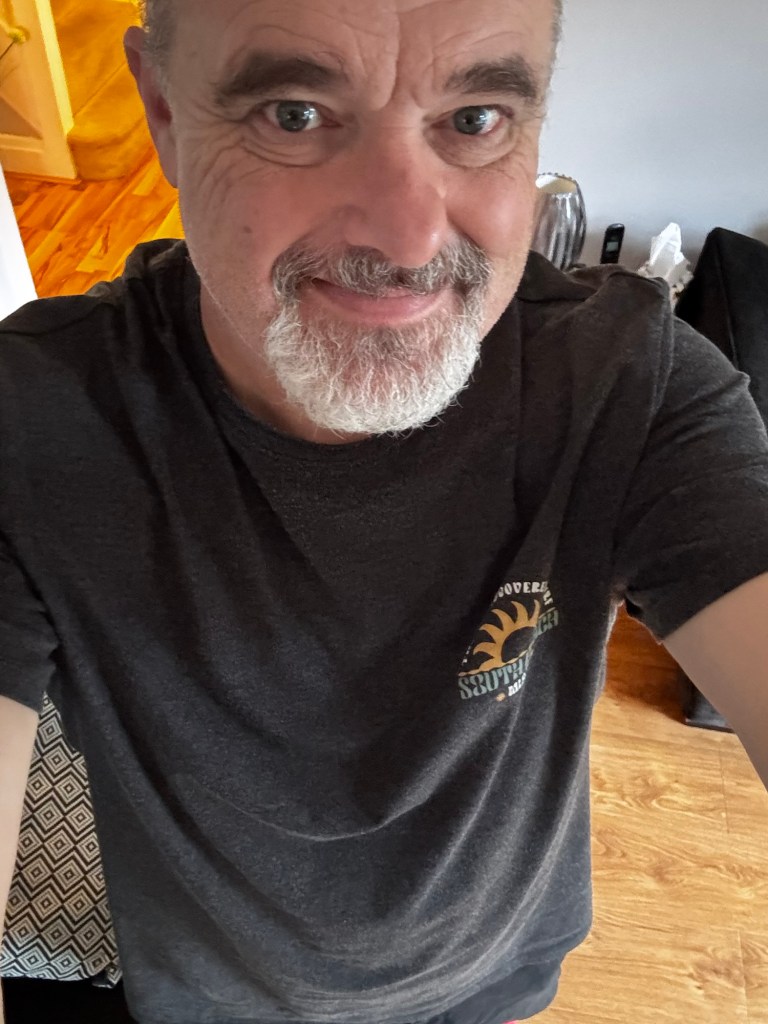










 Connected Coaching