Coming to terms with uncertainty

Over the past year I have faced uncertainty more than ever before. I have always faced uncertainty, as we all have, but like must of us, I chose to ignore it, and apply a reason or possible outcome that suited my narrative. We all do this, we apply endings and reasons for what is happening to us that we don’t understand, that is how our minds like to work, we like to think in patterns. Thinking in patterns helps us understand what is going on around us. When we see or experience an event, we check our memory vaults for anything similar. If we cannot find anything similar, we will look for something that is a bit the same, if there is nothing a bit the same, we will change it to fit what we have. We will always attempt to understand our world by applying it to what we already know, we desire certainty so much that we can adjust reality so we can have certainty.

There are times that certainty is just not possible, and no matter how much we try to make it fit to what we know, we just cannot. It feels like the rug has been pulled out from underneath you, you feel all at sea. Every time you think you have an angle on what is happening something contradicts it. The more you look for certainty the more uncertain it all becomes, the more unsettled and lost you feel.

About a year ago my Mum was diagnosed with lung cancer. Before she was diagnosed the uncertainty was awful. As a family we would latch on to a certain word or treatment possibility only for that to be discounted. In our minds we knew what the worst outcome was, but everything in between felt so uncertain. Everybody that is involved in the treatment and care for my Mum are wonderful and lovely, but they could not and still cannot give us the answers we need and don’t want all at the same time. Since diagnosis Mum has started her treatment, it took some adjustments and change of treatment for the side-effects to settle down. Constantly though we are faced uncertainty of not knowing what is around the corner. If we are not careful in our unguarded moments we can get sucked in to searching for uncertainty, spending too much time in the future looking for something to latch on to, something that just is not there. The past is not a good place for reference points, attributing our previous experience of cancer is very unhelpful, for either terrifying us, or giving false hope.

From now on, I am going to describe how I live with this uncertainty and how I help my Mum deal with her uncertainty (however in reality she does incredibly well already). So when I find myself grappling for answers spending too much time in the past or catastrophising in the future, I take a moment to centre myself. I will use a simple mindfulness technique. I refocus on what is happening around me right now. I have a look at what is around me. I listen to the ambient sounds. I take notice of the ambient temperature. I will then take notice of the physical sensations I am feeling from my head to my toes. If I am still not quite back in the room I will count my breaths in a cycle of 10 (1-10 then back to 1-10) for as long as feels comfortable, and my mind is less busy. Every time my mind wanders I notice the thoughts I am having and go back to my counting. This is the important aspect, the letting go of my thoughts is really helpful, it reminds me that it is only a thought (either a recalled memory or an imagined future). Now this process does not get rid of the discomfort of uncertainty completely, but it does help me put it into context. Nothing other than what is happening right now and our ultimate demise is certain. It is a given that we are all going to die, and if you are busy thinking and worrying about death then you are still alive, and everything is uncertain.

I have noticed that this approach helps me deal with the uncertainty we face with my Mum’s diagnosis and treatment, along with my own hopes and fears for my future. The future is never guaranteed, but the present is.

The world at the moment seems full of uncertainty, however I am sure it always has been thus. With potential pandemics, and a possible resulting recession, alongside Brexit negotiations, our world at the moment feels very uncertain. Keeping a cool head and maintaining a grounded balanced approach, by being more present and not getting stuck for too long longing for a simpler past or dreaming of a better future. Practicing being present will help if you find yourself struggling with uncertainty.

Live you best life now, not in the future or the past.

If you want to work some more on how to live with uncertainty message me.

Don’t let your past define you, just appreciate it for what it is.

My Sister Louise and my Grandad sometime in the mid to late 60s (apporx 1967) in our back garden in Rowner, Gosport

I was born in Gosport, Hampshire some 4 years after this picture was taken. I was born in the house in the house where this picture was taken. The house was married quarters for Royal Naval personnel. My Dad was a Petty Officer in the Royal Navy.

My Dad was absent for much of my childhood, when I was young he spent a lot of time at sea, and when he wasn’t at sea he did not spend a huge amount of time in our company. He was a product of his generation and the forces, so was more of a man’s man than a family man.

When he left the Navy in 1981 we moved to Chester, my parents’ hometown. As I said my Dad was not suited to family life and after a few years my parent’s got divorced. Nothing unusual there, families were breaking up left right and centre in the 80s. But it did feel very uncomfortable being in the middle of it. Around this time my brother and sister had left home, leaving me and mum alone. You can imagine the emotional upheaval my Mum and I were going through. My Mum had kicked her husband out, said goodbye to 2 of her children, and moved home all in the space of a couple of years. On top of this I was going through puberty. In hindsight this could have destroyed us both. It didn’t, it drew us closer, it made the bond between us incredibly strong, a bond that has only strengthened over the years. Don’t get me wrong I carried the scars from this time for many years, in fact I have only recently shed them in the past few years, when I decided that my past did not define me, it just guides my choices.

Me and my lovely Mum March 2019

As I said I did let my past define me for a number of years as an adult. In 1989 I moved to Hull to do my Nurse training. Leaving Mum was incredibly hard, but I knew I needed to make my own life. This was led by those battle scars defining who I was. I was determined my life was not going to like my Father’s. So for the next 25 years I was in a constant state of turmoil trying to enjoy my life, but constantly looking over my shoulder waiting for it all to go wrong, and not seeing my past for what it really was.

In spite of this turmoil in my life I did manage to create something special as I look back on it now. I just wish I had the insight I do now so I could have enjoyed it a lot more. But that was how it was, and this is how it is now, and for the rest of my life I will see it for what it really is.

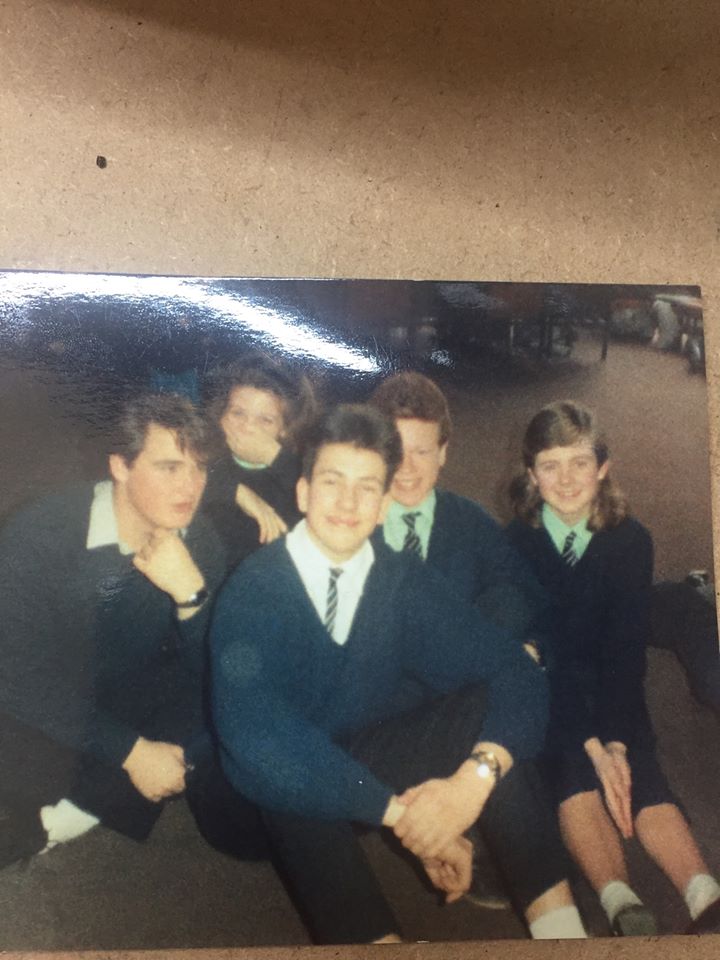
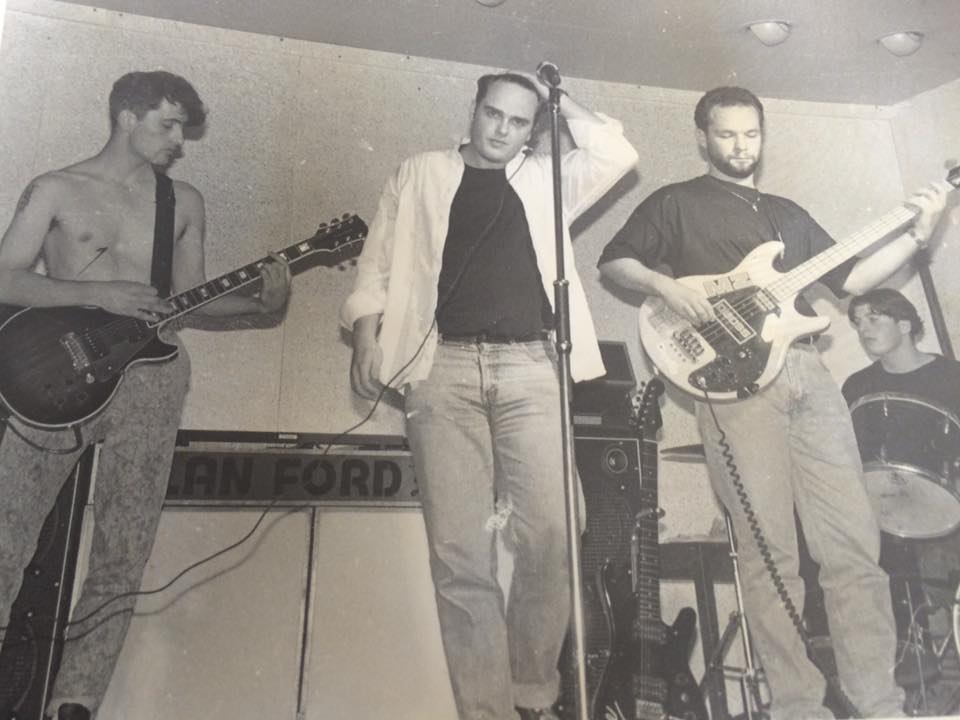
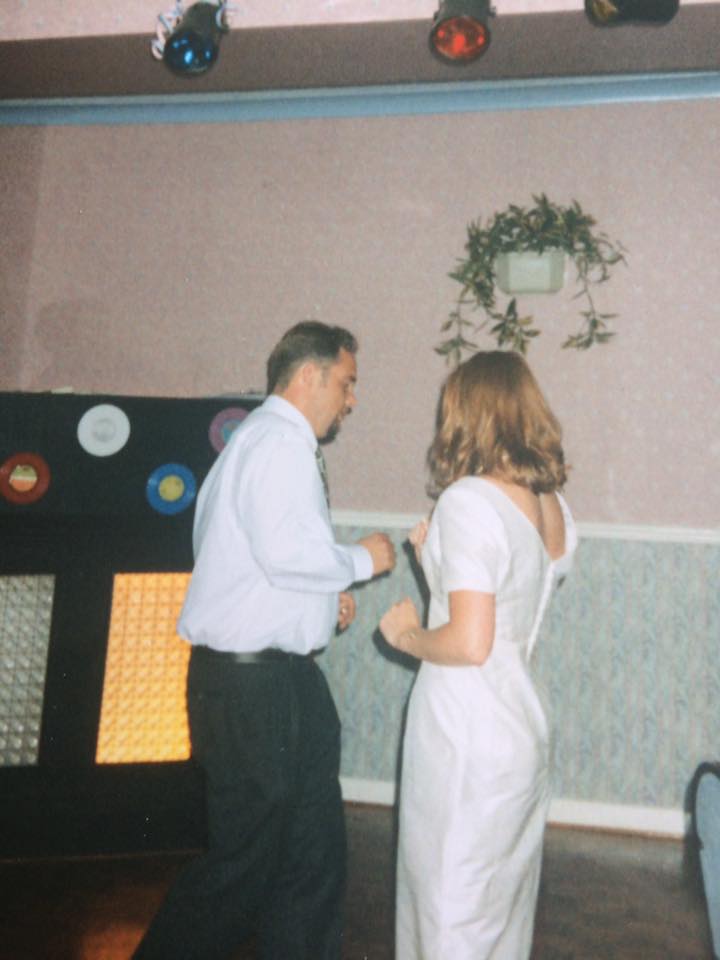
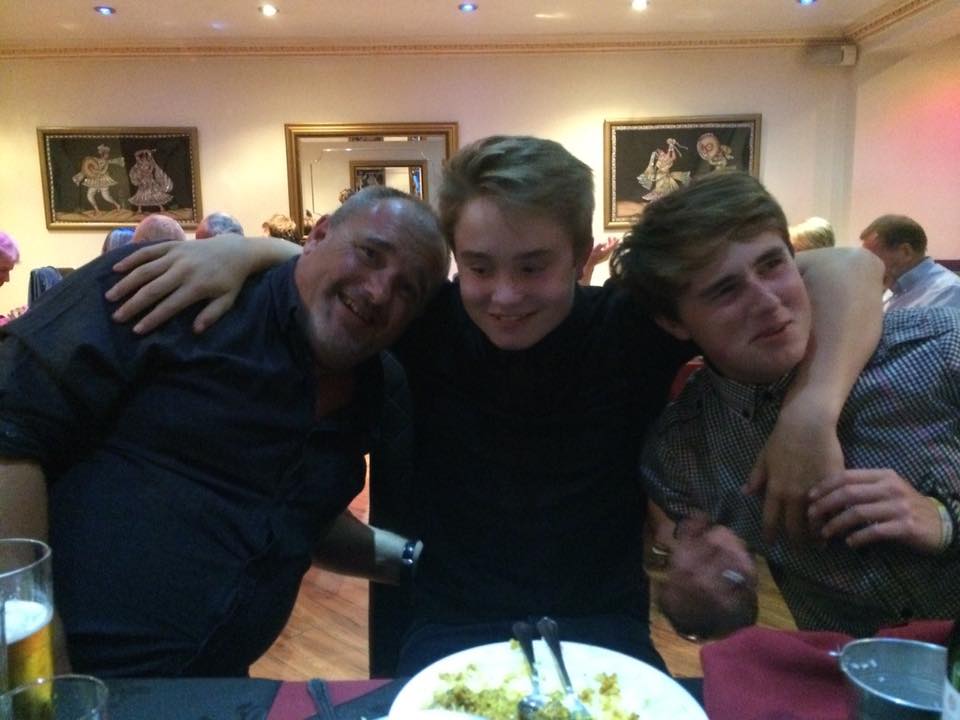
So what is it really? My life, no that’s it, it’s my life, good bad and indifferent. What has happened, happened, some of it was shit, some of it was alright, and quite a lot of it was blooming amazing. So in the future my life will be shit, alright, and blooming amazing. Life is only as good as it is right now. Grasp it with both your hands and enjoy it for what it is, your life! Look back on your life and see it for what it is, your life. Do not let the past define you. Let the present define you. Here are some pictures of my past that make me smile and allow me to appreciate those blooming amazing moments.

Does your leadership style increase the risk of error

Photo by Skitterphoto on Pexels.com

Many of us are taught that leaders must be in complete control of what is happening in their team. This approach however is more likely to lead to error and poor performance.

If there is a culture of dominant leaders within your organisation and team, then there is only ever one voice dictating what happens. There is no overlap of thinking that prevents blind-spots. The more views that are heard the better quality of decisions. Being the leader does not make you the most competent person in the room. If you stifle opinion by demanding that your voice is the final voice or worse the only voice in the room, then you really are putting the activity and possible people’s lives in peril. If you are that dominant leader then members of your team will not be telling you what they see, they will not tell you that things are about to go wrong, for fear of being chastised. As the leader it is your responsibility to ensure the best plan is constructed and the best decision is made, they do not have to be yours. The role of the leader is to support the team to deliver the best possible performance, not to dictate the performance.

If you want to improve performance and reduce risks, you will have to completely re-think how you lead. Having a high performing, flexible team, that is able to effectively manage risk, whilst being innovative is quite straightforward. All it takes is a mindset shift and perseverance. It requires you and the team to change some habits that you have formed over your working life. This is going to take some practice, it is straightforward and obvious not easy, if it was easy you would be doing it already. Below are the steps you need to take to start this transformation in your team.

Establish the purpose of the team

Are you and everyone in the team clear on what the purpose of your team is. It is worth as a team writing your mission statement. But before you jump in and write a team mission statement, ask everyone to write their own first. If you write a team mission statement first it is likely to be dominated by your thoughts and the thoughts of the more senior team members. It is important that everyone’s voice is heard and is represented. Therefore allowing people to write their own mission statement by themselves gives them a voice and empowers them. Once everyone has their own mission statement, these are then pinned to a wall without names (get everyone to word process their statements so they are not identifiable) and key words are themed by the team to develop a team mission statement based on the individual statements. Trust me this works, as most peoples mission statements are similar therefore themes are possible. It is important that this mission statement session is facilitated by someone external to ensure all members of the team contribute and feel comfortable. Now you have a mission statement that everyone has an investment in. For a team to be effective it is vital that they have a purpose they can all buy into and that they all have a voice.

Have clear lines of communication

Now everyone has a voice, it is important that everyone uses it. Briefings and debriefings are vital everyday. These are information sharing and issue discussion sessions where all team members have a space to inform the team of their workload, request support and discussion any issues they have. These sessions should be chaired by the leader. Accountability for any actions that follow is held by the team member, and they are accountable to the team. The leader is there to make sure this accountability is maintained and to ensure everyone has the opportunity to air their issues. It is so important that everyone’s knowledge, expertise and competence is acknowledged within the team. Then when there is a crisis the team member best suited to make a decision is able to do this.

Have a culture of support and kindness

Assume everyone in the team is doing their best. If you think people in your team are lazy good for nothings, they will never work hard in the team. They will know you have a low opinion of them and they no doubt will have a low opinion of you and the team and will become disengaged. If however you believe they are doing their best, but for some reason, from time to time their best will not be up to the standard it is needed, then you can support them to improve. The ‘is every thing okay’ question followed ‘what can I or we do to support you’, will evoke a completely different response than ‘this is not good enough’ or ‘what have you been doing’. People do not deliberately do a bad job without reason. Rather than condemn them, find out what is causing them problems, and support them to solve it. We all respond well to kindness, and having a supportive caring atmosphere at work makes us all feel safe and work more efficiently. It is also encourages everyone in the team to be open and honest when mistakes happen, or when they need support with something. Kindness or compassion if you like, is not weak and fluffy, it is essential for performance and a safe working environment.

These 3 elements of purpose, communication and support provide the basis of trusting team, that is able look at continual improvement, alongside managing the risks they encounter. A team that knows it’s strengths and weaknesses and who is best suited to deal with eventualities. The leader becomes a member of the team with a specific role and not the figurehead, or dictator. The leader brings all the elements of the team to deliver the desired performance. An effective leadership model should mean that the leader can be replaced at anytime without any detrimental effect on the team.

Please message me if you want to discuss how you can get the most out of your leadership.

Maintaining resilience in the face of corona virus

Photo by Burst on Pexels.com

Whether you are a leader, a worker, a teacher, or a parent, the news at the moment is troubling. Every time we turn on the news we are face with worse case scenarios of what may be facing us in the coming months.

Now depending on your personality type you are either concerned, indifferent or keeping a watching brief. I think it is inevitable that there will be an impact on all of our lives, whether that is small or significant it is not certain. Ignoring or overreacting to the news at the moment is not going to make you, your family or organisation very resilient I am afraid, you are even going to woefully under prepared or mentally exhausted. At this stage it is important to keep a watching brief and be prepared.

Diane Coutu in her HBR article “How Resilience Works” she lays out 3 elements that will increase your own and your organisation’s resilience. This approach will help you maintain your level of resilience all the time if you adopt it. It is an approach I use in coaching to help people assess how resilient they are and what they need to address to maintain their resilience.

Firstly lets explore what I mean by resilience. The dictionary definition of resilience is…’the capacity to recovery quickly from difficulties.’ I would describe resilience is being able to pick yourself up and carry on after being knocked down, with the ability to learn from that experience and adapt. I have heard the word toughness used, I prefer the word flexible and reflexive. Being strong is just not enough when you are under attack. Big strong trees are often blown down by strong winds whereas grasses that move with the wind stay intact. Therefore being resilient is being able to move with the wind, you might get battered but you wont be destroyed. Now we have cleared up what I mean when I say resilient lets have a look at what you will need to pay attention to.

As mentioned Diane Coutu highlights three areas you will need to pay attention to help with your resilience, they are; realism, purpose, and creativity. If you want to be able to be flexible when faced with something challenging like corona virus, you have to pay attention to all 3, not just one in isolation.

  • Realism: How prepared are you for corona virus, for instance do you have resources to sustain you for 2 weeks. If you are a manager or business owner, can you continue to stay open if members of staff are off sick for 2 weeks? Do you need to consider how you will manage on reduced income. Do you have plans in place if work activity is dramatically reduced? Do you need to consider contingency plans? At home do an inventory of staple foods, such as tinned ad frozen food. There is no need to panic, but it is worth making say double the amount of curries, casseroles, and the likes and freeze half. Consider having a couple of bags of frozen veg, chips, meat, and fish in the freezer. Have a look in your freezer and cupboards you may well have these in, if you have not then buy an extra bag of something or an extra tin of something each time you go shopping. This will not empty the shops or your bank. Start to practice not touching your eyes and mouth, and practice washing your hands every time you enter the office, work space, or home. None of these things will be over burdensome, but will make life easier if there are problems. It is important to recognise that there will always be a problem coming our way, and what plans do we in place to should things go wrong.
  • Purpose: When things get tough either at home or work, it is vital to have a strong reason why. At home it may be to maintain the lifestyle you have, to have the nice house, holidays and the love of your family. For others it will be to maintain living in a certain place surrounded by people that are important, or to get home and feel safe and secure. At work your reason why is sometimes harder to find. If you own your own business are you clear about what you want to achieve, do you have your companies’ values and mission statement clearly written and displayed for customers and employees, to remind everyone why you are all there. Do you and who you work with buy in to your values and mission statement. When things get really tough many of us need a really strong reason why to go to work or put effort in to keep a company going. If you don’t want to be a casualty of the corona virus economic fallout this is something that will need attention.
  • Creativity: When the chips are down we will not have all the resources we need. People will be off sick, you may well be sick, therefore it is important to be able to be creative with what you have. Whether that is considering how you will maintain your organisation on a reduced workforce, or responding more creatively to the needs of customers. At home this might mean considering creative recipes to use up food in the cupboard. My wife calls these meals ‘if-its’ in the cupboard Matt will make it. Sometimes you can discover some gems and ultimate family favourites. Other times you will come across some terrible combinations that you will never cook again. Being creative, is making the best of a bad job. When you have a strong reason why being creative is a lot easier. If you have thought creatively when you have made plans, then being creative can be a lot less onerous.

Make an assessment of your home life and work life. What do you need to pay attention to? If you are concerned about your organisation, do you have the power to make a difference? If you do then get in touch, lets have a conversation to see if I can support. If you are a worker, what can you pay attention to personally that help you and your team be resilient, again please message me if you want to discuss this further.

In the spirit of creativity I also offer online, or telephone coaching. Message me to find out more.

Practice going with the flow

Photo by Pixabay on Pexels.com

About 3 or 4 years ago I heard Miles Hilton-Barber being interviewed on the radio. That interview stopped me in my tracks, it was a truly inspirational interview. If you don’t know who he is, google him, Miles is a blind explorer, the man is incredible, completely nuts, but incredible and inspiring. During this interview, he said something that has stuck with me ever since and I often quote it during lectures and time out sessions.

We always have two enemies stood at either shoulder, preventing us from living up to our potential, and they are the fears of the future and the regrets of the past.”

It has been a long time so that might not be the exact quote, but you get the drift.

The past and the future are very useful as reference points, but should not be places we spend too long in, whether that is in a negative or a positive sense. Spending too long causes inactivity, and more or less guarantees a less than helpful future.

So make plans for the future, using experiences of the past to inform those plans, but to make those plans a reality it is essential to spend the vast majority of your time in the present in action.

Now things go wrong, and things go right. Life is not designed for our convenience, all we can do is take part in it. To be active participants, and not bystanders. We have to acknowledge that we play are part in all aspects of our life, the good bits and the bad bits. Take credit for everything you do including the terrible disasters. Stop looking for someone to blame, don’t be bashful when stuff goes brilliantly well. Things go well because of us, and things get really messed up because of us, put your hand up for both.

We all the are people around us that are living their best lives, and they we are not. They probably think that of you. Instead of wishing your life was better than it is, live your life. It could be worse, it could be better. One thing is for certain, is that it is yours and it is the only one you have.

I know that was a bit cliched, but sometimes we all forget to live our lives, I know I certainly do. I have to remind myself that I am in charge of what happens next to me, not physically sometimes but always mentally. I can choose to take what is most helpful to me to enable me to live up to my potential.

Now I have just had a chuckle to myself, as I was about to write a limiting statement about my past and how I could have benefited from this insight then. But that does not serve me any purpose, other than cause me to feel regret. That is why I write this blog, so I can help sort my own shit out.

To recap (mostly for my benefit). Use the past and future as reference points, not places of residence. They are essential for planning, but remember planning is useless without action, which you have to be present for. Accept the part you play in every aspect of your life. If it happened and you were in the room, it was your fault, along with everyone else. But don’t be shy when you smash it out of the park, you are that good.

Write your own story, don’t let anyone do it for you.

message me to write your own story.

Being a leader

At the weekend I wrote about being a parent. It got me thinking about my leadership experience. Mostly how my perspective of it has changed over the years. I have been in leadership positions now for over 20 years. One thing that has not changed over the years has been my instinct on what leadership was to me.

I have not always got it right, in fact sometimes I have got it spectacularly wrong, over times I have been mediocre. There have been occasions where I have listened to the rhetoric of what makes a good leader. Be strong, be decisive , be the dominant voice in the room, have the final say. All honourable attributes to have as a leader. What I rarely heard as a young leader, was be kind, care, listen, empathise, put others before you.

The times when I got leadership spectacularly, I was not following my instincts, I was following the rhetoric of leadership I heard, I would attempt to dominate the team (if you know me, you would know how ridiculous that sounds), I would take the perspective of the team serving the leader. In some ways that sounds the right way round, but is it the best way round? Should the leader not serve the team?

The purpose of a team is produce a body of work. For a team to produce that work efficiently within the desired timeframe, it is considered important to have a leader to enable that to happen. The leader plays a role a long with everyone else in the team to deliver the teams’ outcome. So the leader serves the team.

Being a leader is like being a parent. It is not all about the title, it is not about you, it is about others. Leadership and parenthood are about supporting, challenging, developing and above all caring for people so they can achieve their potential.

Leadership means that you put the team before your own self interest. Leadership is paying attention to the needs of the people in the team to enable them to do the best they can. It is important to ensure the team remain focused and disciplined, therefore the role of a leader is also to maintain the focus on the purpose of the team and to communicate that to the team.

Above all a leader is there to show care and compassion to the members of the team and to encourage the team to be caring and compassionate to each other. It is not soft to show care and compassion it makes business sense. If you feel part of something and cared for you are more productive and more loyal.

Last week an ex colleague of mine passed away. She was a nurse in a team I managed about 10 years ago. She was as were all her colleagues, a loving, caring and compassionate nurse. She didn’t stand out, she was exactly what she should have been a long with her friends and colleagues. As a team we all had our ups and downs, but above all we cared for each other as well as caring for our patients. The love I had for her and her colleagues really hit home last week when I heard the terrible news that Claire had lost her battle with cancer. I was so upset and all I wanted was to be in the company of some of those lovely caring nurses I worked with back then. I wanted to be with people that understood how important we felt to each other. Having love and compassion in a team is so important, when the work is hard a team that loves and cares for each other will pull together.

Leadership is not a title it is a responsibility, a responsibility to the people in the team and those the team serves. Leadership is not for the fainthearted, it is hard work, both emotionally and physically, just like being a parent. Just like being a parent the rewards are amazing.

Just for you, here is the secret of great leadership.

Be the person you want your team members to be.

Always Dad

Dad is one of those titles, that once you have been given it, it is yours for life, no matter what. You will always be a Dad! There are however good Dads, bad Dads or indifferent Dads.

From a moment your children are born the pressure is on to be the protector, provider and role model. No one gives you a manual how to do it. If your role model wasn’t the best it can be challenging.

The 10th April 2000 was the day I became a Dad. If you are a Dad you will always remember clearly the day your Children were born. It all started on the evening of 9th April when we went to the maternity hospital as planned for Lisa to be induced. So Lisa was induced on the Morning of the 10th, by the evening Ben was not willing to come out and by late evening he was becoming distressed so it was decided that he would have to come out via the sun roof so Lisa was prepared for theatre. My head was spinning. See the thing is nothing ever feels straightforward. When I got into theatre srangley I felt quite calm, as I knew quite a few people in the room, and the environment felt more familiar (coming from a clinical background). I remember the radio was on and the news gave a out the score for the evening football match. Manchester United had beaten Middlesbrough 4-3. Sounded like a good game.

I digress, seeing your child come into the world is the most amazing experience you will ever have. Holding them for the first time and introducing yourself is so special, and something that I will never forget, for Ben and Jack.

Taking Ben home and those first few weeks was terrifying. I thought I should know what to do, being a Children’s Nurse. Trust me that did not happen. It was difficult and disorientating. In the end you just work it out between the 2 of you.

2 years laterish we repeated the process and Jack was born on 29th May 2002.

Second time round was easier. We were both a lot more relaxed about it all.

With regards being a Dad, once I had started to calm down I tried to be the role model I wanted to be. I look at my boys now and I think yeah I was in the whole a good role model. Myself and Lisa have brought up 2 kind, caring, and friendly young men.

Being a parent can feel like a minefield at times, but there is one thing I learned from experience and later confirmed by the wonderful Brene Brown, and that is be the adult you want your children to become.

There have been days when I wanted to wring their necks. There have been occasions when I have wanted the earth to swallow me up normally in a supermarket or on the bus, when one or other of them have been having a tantrum. But now I look at them and feel so proud of who they have become.

When I think back to all the pressure I put myself under to be the protector and provider. I realise that it was unfounded and based on a society norm that is no longer relevant. We are not Cavemen. We need to equip our children to survive in the modern world.

Being a Dad is a job for life so there is no rush, play the long game, learn from your mistakes and don’t forget to enjoy it and collect those memories.

I am moving into the next stage in fatherhood, as my boys become adults. Learning to let go is hard. I will say there is still a lot of familiar ground, like sleepless nights, and this fear of them hurting themselves. But then see who they have become and it is all worth it.

So remember there is only one secret to parenting. Be the adult you want your children to become.

If you are a Dad and want to work through, being a parent, husband and successful at work, without compromising on any message me.

Time to take action! But first let me introduce myself.

I am Matt (Matthew if you prefer full names). I was born in 1971, so that puts me at the back end of my 40s. I have been married for nearly 24 years and have two boys (who are both young adults now). I have worked as a healthcare professional for 30 years. Nearly 20 of them have been in leadership roles. I am currently the Lead Coach for a busy inner city NHS University Hospital. If I am honest there have been many occasions over those past 30 years as a professional, a husband and a parent when I have really struggled to hang on in there. I have had to learn how to adapt and see the world differently. I have seen parts of me that I would rather have not. I have had to acknowledge the part I played in my difficulties. Using my Nursing skills and learning how to be a coach has really helped. Having people around me that could coach me by kicking me up the arse and putting their arm around me was invaluable. But most importantly they did not advise me.

So that brings me to what I now offer as a coach. Because of my lived experience I want to support men that may be struggling with what life throws at them as they progress in their career and personal life. What I have recognised is that there is not a lot out there to support middle aged men before things get really bad, that does not force them to be someone they are not.

It’s not always OK not to be OK, OK?

I see this meme a lot on Facebook, saying it’s OK not to be OK, or men need to talk and share more. I agree completely that men should be able to feel comfortable to express their feelings and struggles in an open way. But the thing is that the vast majority of us have not been brought up to view the world in that way, and we are just unable to see the world that way. So let’s make sure young boys are brought up to share emotions, and have high emotional intelligence, but let’s stop making men feel bad for not expressing our emotions in a certain way.

It is possible to be emotionally intelligent and be able to manage them without talking to people about how you feel off the bat. There are many ways people can understand and articulate what they are feeling. What has to happen is to accept that shit happens, and make space in your mind for this eventuality. There is no point in avoiding it, just face it and know that it is not a permanent state. Next make sure your day is full of activities that require your full attention, something that keeps you in the present and does not allow you to dwell on the past or worry about the future. What is happening now is the most important thing. Obviously we have to learn from the past and plan the future but they are not permanent residence.

Check your thinking, when stuff happens that knocks you for 6, understand the emotion you are feeling, what you may assuming, what you are in control of, and what is beyond your control.

Realise the only person that is in control of what you think and do is you. You choose what to do, how to respond and what to think.

Know what you is important to you, what gets you out of bed? What gets you through those difficult jobs? What got you to where you are now.

Make a plan for your life and start to take action, not tomorrow, not next week, not when the conditions are right but now.

Finally when things go tits up again, start again, and keep at it. It is not a race, it’s life.

So it’s not OK, not to be OK if that is all you are going to be. It is OK to pick yourself up take action and make it better.

By all means take that and use it. Or go buy some of the many books that are out there like The Chimp Paradox and SUMO. They are brilliant and will help.

There is no substitute for one to one conversations and someone to hold you to account. So message me if you want the one to one approach, face to face or remote.

Acts of Kindness

Last week on a training day for managers, I introduced to them an exercise of kindness that I had read about in Martin Seligman’s book Flourish. The the notion is, that if you show gratitude and kindness it not only makes them feel better, but you also get a hit of that lovely Oxytocin, therefore making you feel all warm and fuzzy and ultimately restored. The exercise I introduced to them is as follows (feel free to do this exercise, it will make you and the other person feel amazing, trust me):

Think of someone who either is or has been an important part of your life. Someone who has had an impact on who you are as a person today. Someone through them being them who has inspired, guided, or encouraged you at some point.

Now write a letter to them. Start with an introduction reminding them who you are and what you have become, and tell them why you are writing this letter. Then write in detail what they did for you, how they changed your life for the good, and how grateful you are to them. Now put it in an envelope, and write their name on it. If you don’t know where they live or work, find out. Here comes the important bit. Don’t post it! Hand deliver it. Take your letter to them, knock on their door, reintroduce yourself to them, and tell them why you are there. Now you have 2 choices you can either hand them the letter and leave, or if you are feeling brave (this will give you the best results) open the envelope and read it to them. I know it does sound scary, but remember these people are special, they made a dramatic difference in your life, so how wonderful would it be to let them know.

Now yesterday someone knocked on my office door, someone I knew, someone I admire greatly, someone who inspires me. She handed me a letter, she had a few tears in her eyes, I thought something bad had happened, she reassured me nothing had happened. After a moment she explained what it was. It was the most wonderful gift other than my children I had received. All day yesterday I was floating on a cloud, today I still feel loved and lovable. I never thought anyone would send me a letter. But wow was I grateful, it was a lovely thing. Yesterday I struggled to talk about it as it made me so emotional, but today I wanted to share it with the world. That one act of kindness meant the world to me. I know writing it and seeing my reaction meant the world to the author.

So thank you, you are truly inspirational. It is a pleasure being in your company (you know who you are).

If someone has made a difference in your life, let them know how grateful you are, lets change the world one conversation at a time.

Don’t be ashamed of failure

We all get side swiped at some point in our lives, for most of us it happens on multiple occasions. We don’t get a job we thought we were a shoe-in for, a project fails, a relationship fails, we play a part in an error that harms someone. The list can go on and on. In fact if I give you a few minutes you could come up with a long list of the the things you have done or has been done to you that cut you to the core, that make you feel ashamed, embarrassed or idiotic. Our recall for those events is clear even if it happened decades ago.

I remember an event when I was 10 years old (38 years ago). We had just moved to Chester from e Gosport, just after my dad had retired from the Navy. I was playing on the bank which was a tarmac recreation area in front of my Nan’s house on Garden Terrace. There was a few of us playing on the swings, when this girl in our group, started teasing me, I asked her to stop, but she just kept teasing me, so I slapped her in the face. Yes I slapped her (I was not much of a fighter) then ran into my Nan’s house crying. She ran off in the other direction screaming. I went straight upstairs and hid in the front bedroom lying face down on the bed sobbing, trying to block it out. After a few minutes I could hear a commotion outside. I then I heard my mum call me. I went to the front garden and was confronted with my mum, this girl and her mum. Who was shouting at me accusing me of being a terrible bully and being violent towards girl. My mum looked horrified and I was so ashamed and upset, and my emotions just got the better of me. Above all the crying and commotion I screamed “Shut Up!!! Just shut up!!” I ran straight inside fearing the worst and feeling more ashamed than ever. To this day I can feel my heart rate going up thinking about it. The feeling of shame is palpable, the feeling that I had brought shame on my family is still there. Which is irrational and serves no purpose at all. I know the reality was not as bad as what I feel now, and I realise that my mind has twisted it to make it sound worse than it was. But the feeling of shame is still real.

That was a long time ago, but I mind loves keeping old of this stuff just in case it can be used as evidence in the future. The thing is, I have stuffed up so many times that if I don’t keep a check on this stuff it can start to take hold and the shame can get the better of me. None of us a perfect and we all do stuff that we regret or embarrasses us. What we have to remember is that what we do is not attached to our self-esteem or self-worth. Us stuffing up does not make us less of a person. Now I don’t mean deliberately harming people, or malicious intent, I mean, the stuff up when we intended to do the right thing, however stuff happened that prevented the correct, or desired outcome, within or without our control. This will never make us less. We are still enough, we are still worthy.

So when you don’t manage to land that dream job, or you have a blazing row because you got carried away watching Breaking Bad and forgot to do the housework on your day off (I imagine this might happen, obviously this would never happen to me), or you get so frustrated you lash out, remember you are still loved and lovable. Now if you do something wrong it is important. in fact vital that you show accountability. So you admit what part you played, apologise, and make amends. It is right and appropriate to feel guilt if you did something wrong, and it is appropriate to admit guilt and make it right. This does not make you less of a person.

To help you control that feeling of shame that diminishes your self-worth there is something you can do:

  • Acknowledge what has happened
  • Recognise the emotion you are feeling (put a name to it)
  • Be accountable
  • What can you use next time
  • Remember those who love you still love you.

No matter what life throws at you, you are still loved and lovable, you are still enough, this fall has not made you less of a person.

Don’t be afraid of failure, failure does not diminish you. You are loved and lovable!